Ontario Business Trends 2025 – Predicted Supply Shortages, Tariffs And Bestselling Hard Maple
The hardwood forest sector hasn’t changed much moving into fall and early winter with production still at a lesser pace, nor has demand increased. Buyers have no urgent reasons for purchasing although supply shortages in the months ahead are a possibility. Secondary manufacturers are also purchasing less for inventories due to weakened demand of finished products. Wholesalers are also being cautious with purchases for the same reasons. There have been some mergers of companies to stay in business and to ease the tariff situation. It is also noted that downtime will be felt on both sides of the border due to the high costs of doing business and with added tariffs, while economic conditions are poor.
Even though Prime Minister Mark Carney met with President Trump to continue talks on trade deals between the two countries, there is nothing confirmed yet as to the “positive outcome for Canadians” alluded to by Trump. There is deep concern with the latest U.S. tariffs imposed, and the many trade agreements being negotiated with various countries that affect their businesses. Those who export express uncertainty in being able to move forward due to unclear processes for each agreement. However, news coverage of the Carney and Trump meetings earlier in October affirmed that Canadians will have a good deal. Yet, softwood lumber was not part of the discussions, affecting the forestry sector across the country.
Ash production, as previously reported in both Eastern Canada and U.S. border states, continues to contract due to the Emerald Ash Borer, for loggers, sawmills, wholesalers and secondary manufacturers. Contacts commented green Ash is selling, but prices are soft. Kiln-dried Ash sales have slowed for both domestic and export markets.
The larger end users of Aspen are not purchasing the quantities they used to. Sales are better for wholesalers serving small and medium businesses which is for upper grades, in modest quantities. Contacts comment that interest in No. 1 Common and No. 2A grades is low. Also, it was noted that some sawmills were avoiding Aspen logs, thus production is not keeping pace with limited market needs at the time of this report.
Basswood is experiencing similar market conditions as Aspen. Sawmill orders are mostly for green orders from window blind manufacturers, and some concentration yards. Demand is notably below the norm for this species, and exports are identified as spotty.
Birch demand is weak, whereas sawmills had cut large amounts in the past. Contacts report logs are being sold instead, resulting in poor markets for most grades and thicknesses.
Hard Maple continues to be a best seller compared to other species; however, markets have cooled off slightly.
Soft Maple demand is based on grade and color selection. Sales of green and kiln-dried Soft Maple are steady, but not brisk. Demand for No. 1 Common has gained traction recently, while the lower grades are not performing as well.
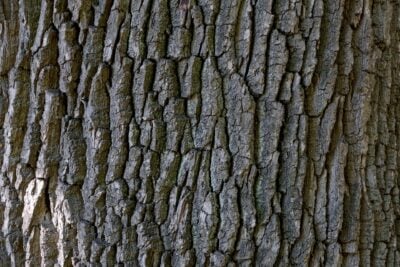
With regards to Red Oak, sales to China have declined due to their reducing the percentage of use of this species. Demand has been steady however from domestic and other overseas markets. There is caution due to competition for green Red Oak orders amid uncertainty about the future and declining orders from flooring manufacturers.
White Oak appears to be faring better for its green production, even though not all items are moving well. Sales are better for No. 1 Common & Better than for No. 2A and 3A.
The Trump administration imposed new tariffs on imported wood and various wooden products, including imported lumber, timber, kitchen cabinets and upholstered furniture, which will add costs to homebuilding and furnishing, in September, with a start date of October 14. Tariffs on cabinets, vanities and upholstered furniture could rise on Jan. 1, 2026, unless countries reach out to cut a deal.
Trump imposed a 25 percent global tariff on kitchen cabinets and vanities, which will increase to 50 percent on January 1. The duty will apply to completed kitchen cabinets and vanities as well as parts imported for use in kitchen cabinets and vanities. Tariffs of 10 percent on foreign softwood lumber and timber, used in a wide variety of building materials was also imposed.
Upholstered furniture is facing 25 percent tariffs until January, where they will increase to 30 percent. Lumber companies that pay that 10 percent tariff are not subject to the “reciprocal” tariffs the president has put on other countries’ products, which are in some cases much higher.
According to the statement, wood products are being imported into the U.S. are a threat and could impair its national security.
Also, it stated wood product imports were weakening the U.S. economy, resulting in the persistent threat of closures of wood mills and disruptions of wood product supply chains and diminishing utilization of the U.S. domestic wood industry.
The Canadian wood products industry is set to be hit hard by the order. Luke Elias, vice president of the Canadian Kitchen Cabinet Association, told CTV News, that the tariffs would have a “significant impact, devastating actually” to the Canadian cabinetry industry. Elias said the kitchen cabinet industry is a $4.7 billion industry in Canada that employs 25,000 people at 3,700 businesses, many of them family run generational businesses.
The cabinet sector exports about (CAD) 600 million to the U.S., and this tariff will have a serious impact on the industry, Elias said. The country is already facing a soft housing market, and it is also being impacted by cheap imports from other countries as well, which they are competing with.
Major exporters of kitchen cabinets to the U.S. are Vietnam, China, Malaysia, Mexico, and Canada, with Vietnam being the leading global exporter and significant source of cabinetry for the U.S. market. Other Asian countries like Malaysia and Indonesia also export to the U.S., especially as importers shift away from China due to tariffs. Trading partners who negotiate with the U.S. may be able to secure an alternative to the pending tariff increases.
The United Kingdom, the European Union, and Japan got more favorable treatment due to the terms of their trade deals with the U.S. The Section 232 tariff on subject wood imports from the United Kingdom will not exceed 10 percent. The combined Section 232 tariff and most-favored nation tariff on subject wood imports from the European Union and Japan will not exceed 15 percent. Products that are not subject to these Section 232 tariffs will generally be subject instead to reciprocal tariffs.
And this, said Trump, is so that the U.S. can produce cabinets in their own country, strengthen supply chains, bolster industrial resilience, create high-quality jobs, and increase domestic capacity utilization for wood products so they meet their own demand while creating economic benefits through increased exports.
Despite these challenging times the hardwood industry is facing, the imposed tariffs and duties, economic uncertainty, supply chain issues and more, we extend to you and your loved ones sincere and heartfelt best wishes for the Holiday Season and the New Year.