Why Knot Say Enough Is Enough

Since 1898, the National Hardwood Lumber Association has focused on its mission to write rules for the measurement and inspection of hardwood lumber. However, since the 1999 peak of 6 billion board feet of domestic grade lumber consumption, the industry has seen a drastic decline, exacerbated by the 2008 financial crisis, from which it has still not recovered 18 years later. As domestic consumption of grade lumber remains below 2 billion board feet, it is time for the industry to adjust the NHLA’s approach.
Enough is enough. We cannot sit still and hope things will get better; it won’t on its own. We teach this to our kids every day.
My 16 year old son Mark recently began taking dual enrollment courses at the University of Memphis. After a strong start, he took on more challenging classes and began to struggle. Like many parents, we encourage him to speak up, ask questions, and connect with his teachers. We cannot do it for him, but we can point him toward the support that is available.
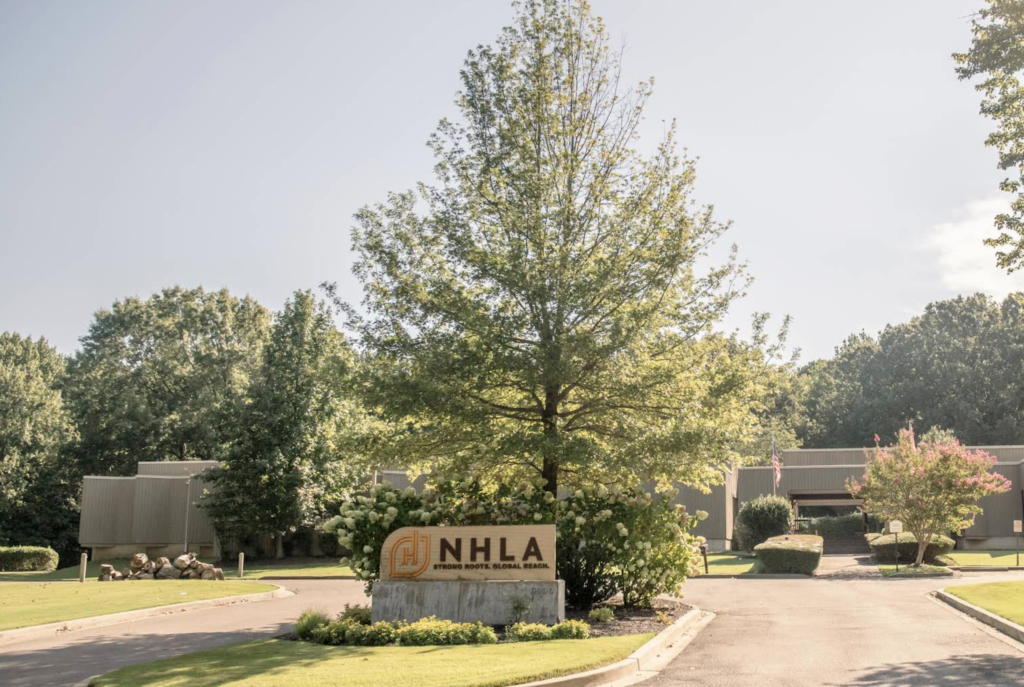
Hoping your grades will go up once you are behind is not easy on your own, especially if you do not understand what is being taught. The same thing applies to the hardwood lumber industry. Hoping things will get better will not make them better, and hope is starting to fade for many sawmill owners. We have to speak up, we have to adapt, and that is what the NHLA board is working towards.
The 2023 NHLA mission statement is to “Grow and Stabilize the Hardwood Industry.” This complements the initial focus on hardwood lumber rules by looking to strengthen markets and production of hardwood lumber through work in six key foundations and committees.
- 1. Information Services: focused on promotion and advocacy.
- 2. Lumber Services: focused on inspector services, quality control, certifications, and rules.
- 3. Membership & Networking Services: focused on collaborating with allied associations and member interactions.
- 4. Inspector Training School & ITSEF: focused on training graders and other sawmill skills and trades.
- 5. Convention & Exhibition: focused on bringing the industry together for networking and sales.
- 6. Market Impacts and Development: focused on creating or strengthening markets for hardwood lumber.
Overall, these key foundations aim to stabilize hardwood lumber production by increasing demand and improving operations. The 2023 strategic plan created clear objectives that have been rigorously debated and approved. But they cannot be achieved by waiting each month for things to get better. The strategic plan is intended to reorient everything around the industry’s growth challenges and member outcomes, and to implement it through board governance and staff execution.
Now we need member participation. The NHLA is doing more than ever to provide tools, resources, and opportunities for the industry. We have worked with the U.S. Endowment for Forests and Communities to fund an annual Sawmill and Concentration Yard Benchmarking study so you can compare your pricing with the rest of the industry. The NHLA has signed an MOU and secured a grant with the USFS to help you complete your carbon footprint and develop a Life Cycle Assessment and Environmental Product Declaration for your customers. The NHLA also has grant funding to offset the cost of quality control and log yield analyses to help improve fiber recovery and profitability. In addition, we have strengthened efforts to address market impacts and other critical industry concerns.
These opportunities are available to support you and your business.
The NHLA is here to help. Sometimes that simply starts with reaching out, asking questions, or engaging with the resources already in place. Why not say, “Enough is enough,” and take advantage of what NHLA has to offer?
More information can be found here: nhla.com