Why Knot Use Your Voice For Hardwood This Arbor Day
When the world uses more North American hardwood, the benefits extend far beyond the forest products industry. Healthy markets for hardwood help keep forests as forests, support rural communities, and reduce reliance on higher-cost, more carbon-intensive substitutes across global supply chains.
When hardwood demand declines, the consequences are real. Aging forests become more vulnerable to disease, insects, and wildfire. Rural communities lose mill jobs and economic stability. Landowners, unable to generate revenue from working forests, are more likely to convert forestland to other uses. Infrastructure costs rise as shipping relies on materials that carry a higher carbon footprint than wood ties, pallets, and packaging. These outcomes affect not only the hardwood industry, but the economy, the environment, and communities well beyond the forest.

That is why the change we need to make is not only about how logs are converted into lumber, but about how we reconnect people to solid hardwood and communicate its value as an essential material. Helping the public understand the importance of wood is not the responsibility of one person, company, or association—it is the responsibility of the entire industry.
We can point to anecdotes, or we can point to the math.
The hardwood math is simple: wood is approximately 50 percent carbon. The more wood used in homes, offices, and buildings, the more carbon is stored long-term.
The forest math is simple: forests require active management, and landowners must pay taxes. Revenue from harvested trees allows forests to remain healthy and intact.
The tree math is simple: trees grow and die—whether from deer browse early in life or insects and disease decades later. When trees die, using the logs supports forest regeneration. When they are left unused, forest health suffers.
Taken together, the math points to a clear conclusion: telling the hardwood story matters.
The message is straightforward—use North American hardwood. When employees, families, suppliers, customers, and partners consistently share that message, it reinforces the role hardwood plays in sustainable forests, resilient communities, and a functioning economy.

According to The Economic Contribution of Hardwood Products in the United States, recently completed by the Hardwood Federation, the U.S. hardwood industry supports more than 1.9 million jobs. That impact begins with approximately 126,250 sawmill jobs and extends through nearly two million downstream positions, not including suppliers. This is a story worth sharing.
With a global population of roughly eight billion people, the reach of the hardwood industry is significant. If each person working in the hardwood sector shared the story with even a small network, the message would travel far—especially when reinforced by families, colleagues, and communities. Some may hear it once, others many times. Repetition builds understanding, and understanding influences choice.
No single organization—NHLA, RAHC, or any association—can match the collective voice of the people who work in hardwood every day. If you want help knowing what to say, ask. Resources are available. Sharing the story is worth the effort.
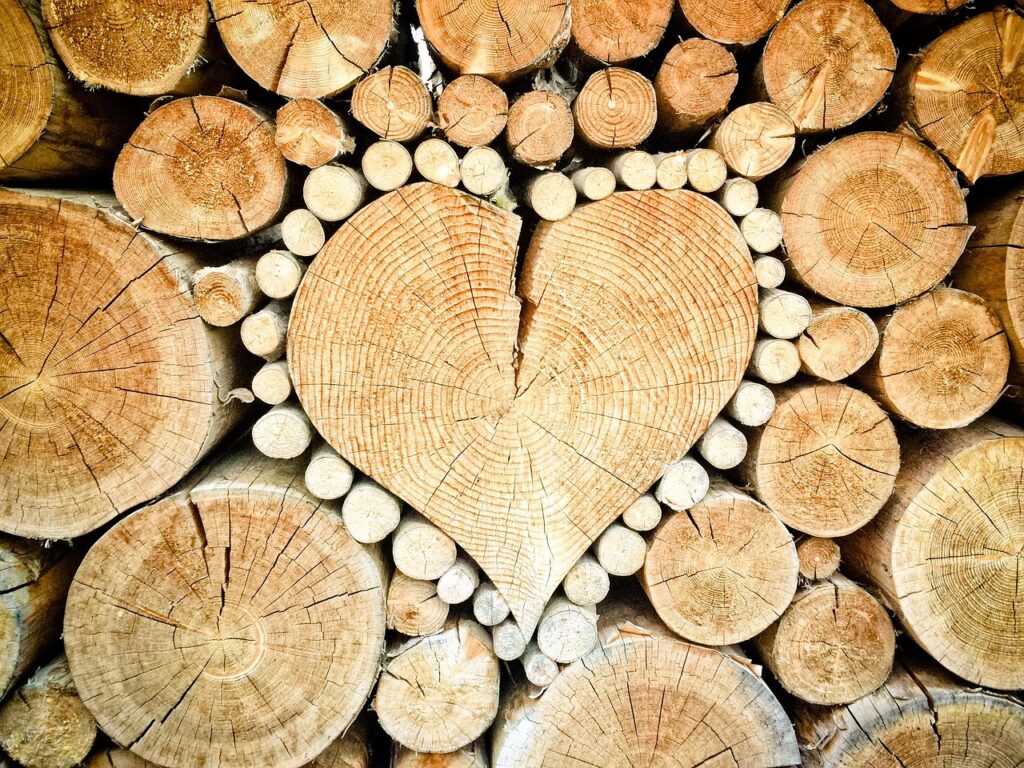
As State and National Arbor Days approach, take a moment to share why hardwood matters. Post a photo. Share a fact. Tell a short story about your work and why it exists.
Why knot use your voice for hardwood and help ensure forests remain forests, communities remain strong, and the story continues.