How The SLB Is Building The Future Of Lumber
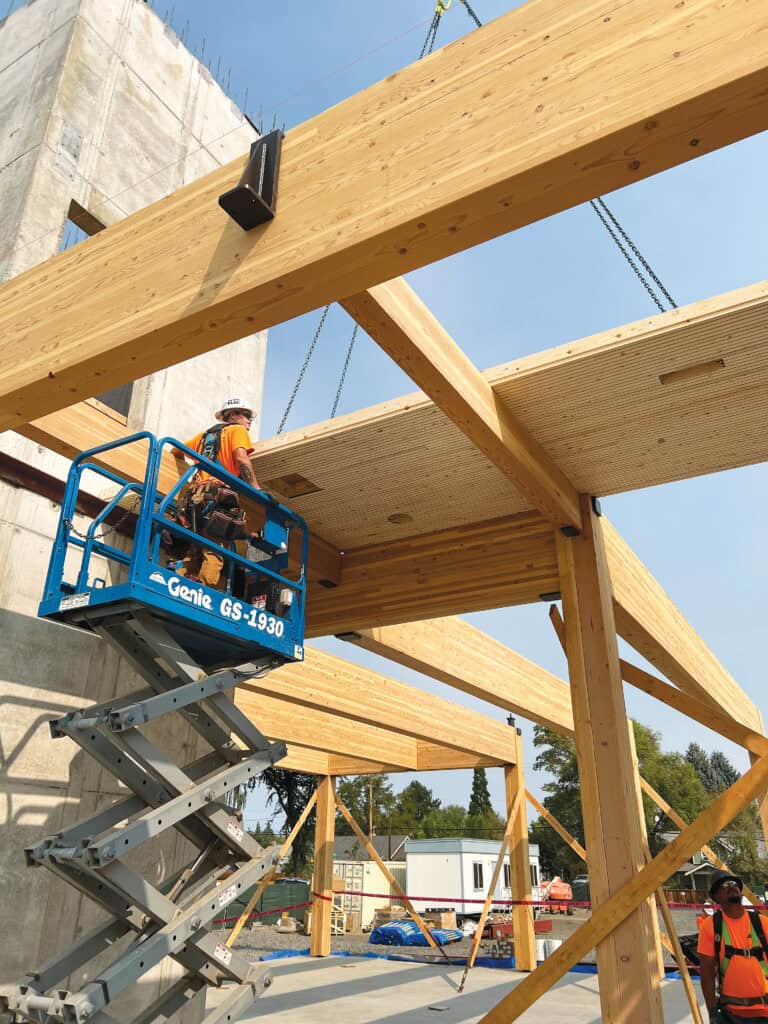
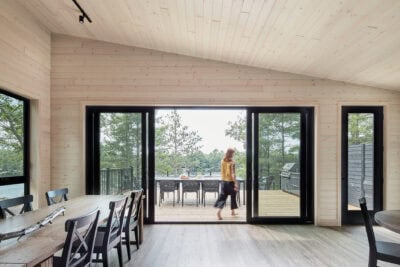
Redmond Library | Miller Hull Partnership
For generations, lumber demand has been driven by home building and remodeling. It’s used to build 93 percent of U.S. homes, along with 87 percent of low-rise multifamily buildings. Today, a new opportunity is emerging—one that could fundamentally expand where and how wood is used. Mass timber has opened the door to markets that have historically belonged to steel and concrete, creating one of the industry’s most significant long-term growth opportunities.
Lumber offers compelling advantages over traditional building materials like concrete and steel, representing a renewable resource that stores carbon and creates warm, beautiful indoor environments. By using mass timber, project teams can realize those benefits on larger multifamily projects or nonresidential buildings such as schools, offices, or even warehouses.
Mass timber’s market share has risen 10x over the past decade, highlighting both the pace of change and further opportunity for growth. But the lumber industry isn’t just sitting idly, waiting for change to happen. Lumber producers are catalyzing this shift to wood through their investment and engagement in the Softwood Lumber Board.
Mass timber represents one of the greatest long-term opportunities for expanding demand for wood products. But realizing this opportunity requires coordinated investment across the entire industry. And that coordination is what the SLB provides.
By making lumber the preferred building material in commercial, residential, and outdoor projects, producers are forging a new path to market growth for lumber.
Transforming the Built Environment
Markets don’t transform on their own. Architects need education. Engineers need technical resources. Building codes must evolve. Developers need confidence to invest in wood systems. Since 2012, the SLB has brought together lumber producers to further research, education, communications, and market development—work that lumber producers are not designed to provide on their own.
The SLB’s specific mandate is to promote softwood lumber to increase demand and expand market share, which it accomplishes through investments in four key programs:
Codes and Standards. The American Wood Council is responsible for the development of codes, standards, and regulations that allow for the appropriate and responsible use of wood products. The SLB and AWC’s work on codes and standards was instrumental in gaining acceptance in the 2021 building code for tall mass timber construction up to 18 stories.
Communications. The SLB developed Think Wood, the most significant and widely recognized digital communications platform devoted to covering light-frame construction and mass timber projects in the United States, helping to build interest in using wood among architects, developers, engineers, and commercial and residential contractors.
Conversion. WoodWorks works directly with design and construction teams to support and influence projects, with the goal of facilitating a shift toward wood. Since 2012, the program has directly influenced more than 4,300 total projects.
Education. SLB Education is the industry’s answer to advancing wood design and construction in postsecondary schools—something that competing industries have been doing for decades. This work to engage students, faculty, and emerging professionals ensures the next generation of architects, engineers, and contractors are passionate about building with wood.
Growing a Bright Future for Lumber
The SLB’s work to promote wood-based construction allows producers to do what they do best—maintaining our working forests to grow and manufacture sustainable building materials. Mass timber buildings are not just strong and resilient, they’re also beautiful, warm places for people to work and live.
The industry has made remarkable strides since the SLB’s inception, generating nearly 18 BBF of incremental lumber demand, but the work is far from finished. Competing industries aren’t giving up their market share without a fight, and the SLB and its funded programs must continue to evolve and optimize strategy, priorities, and tactics. The SLB’s forward-looking strategy will further expand lumber’s role in the built environment with a goal to attain 2.9 BBF of incremental annual lumber demand by 2035.
The path to growth requires continued focus and a united effort from the lumber industry. Working together allows producers to unlock our greatest growth opportunities and build a new future for lumber.