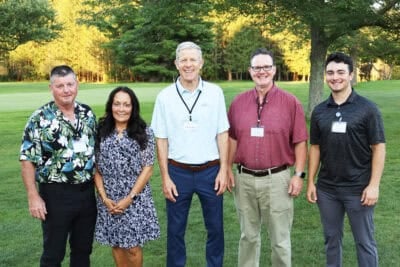

“If you lose this industry, it’s much bigger than somebody not getting the coffee table they want. There are products tied directly to transportation, infrastructure and other critical sectors.”– Will Courtney, executive vice president of Crossroads Strategies
Hardwood Industry Begins Long-Term Push For Federal Engagement
As the hardwood industry continues to navigate market pressures, regulatory challenges and increased competition from alternative materials, industry leaders are taking steps to strengthen their presence in Washington, DC. Following the successful fundraising effort led by the National Hardwood Lumber Association’s (NHLA) Governmental Affairs Fundraising Task Force, attention is now turning toward the long-term work of educating policymakers, building relationships and ensuring the hardwood industry’s voice is heard at the federal level.
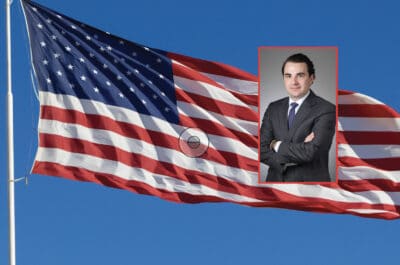
Will Courtney, executive vice president at Crossroads Strategies, said the effort represents an opportunity for the hardwood industry to become more engaged in the policymaking process. Simultaneously, this effort will help lawmakers better understand the industry’s economic impact and role in American manufacturing, infrastructure and natural resource management.
“The first order of business is education,” Courtney said. “There are a lot of policymakers who simply don’t know much about the hardwood industry.”
Success, he said, will ultimately be measured by whether policymakers better understand the industry and whether hardwood stakeholders have a seat at the table when important decisions are being made.
Crossroads Strategies, a bipartisan government relations and public policy firm based in Washington, was engaged through the NHLA-led initiative announced earlier this year. The engagement follows a successful industry-wide fundraising campaign that generated support from hardwood companies across multiple sectors, including sawmills, concentration yards, manufacturers, distributors and other hardwood-related businesses.
Courtney joined the firm in January after serving as chief of staff to Congressman David Kustoff of Tennessee, where he worked extensively on transportation, agriculture, trade, tax and natural resource issues. That experience, he said, provided firsthand insight into how policy decisions are shaped and how industries can effectively communicate their priorities to elected officials and federal agencies.
According to Courtney, one of the biggest challenges facing the hardwood industry is that many federal decision-makers are unfamiliar with its broad economic reach.
“When people think about hardwood, they may think about furniture or flooring,” Courtney explained. “What they don’t always realize is how many industries and communities depend on hardwood products.”
That lack of awareness can create challenges when policies affecting forestry, transportation, manufacturing, trade and environmental regulations are being developed.
Courtney noted that successful advocacy begins long before legislation is introduced or regulations are proposed.
“You can’t show up when there’s a crisis and expect people to understand your industry,” Courtney said. “You have to build those relationships over time.”
A key component of the effort will involve connecting hardwood industry leaders directly with elected officials and agency representatives. Courtney said those conversations help policymakers understand how federal decisions affect businesses, employees and rural communities throughout the country.
“The people who make policy need to hear directly from the people who are living with the consequences of those decisions,” Courtney said. Beyond direct engagement with policymakers, the initiative will also focus on increasing awareness of the hardwood industry’s contributions to manufacturing, transportation infrastructure and rural economies.

The hardwood industry’s advocacy effort comes at a time when many companies continue to face economic uncertainty and evolving market conditions. Courtney acknowledged that challenges exist across multiple sectors of the industry and that many businesses have spent years adapting to changing markets.
“The hardwood lumber industry has experienced a gradual erosion over a long period of time,” he said. “There have been a lot of factors contributing to that.”
Those factors include changing consumer preferences, increased competition from substitute materials, evolving environmental narratives, global market shifts and broader economic uncertainty. While no single policy initiative can address every challenge facing the industry, Courtney believes stronger engagement at the federal level can help ensure hardwood businesses have a voice in discussions that affect their future.
Part of that process includes identifying areas where federal programs and procurement opportunities may align with hardwood products and manufacturing capabilities.
“There may be opportunities that exist today that many people in the industry simply aren’t aware of,” Courtney said.
He pointed to the industry’s connection to transportation infrastructure, industrial applications and national defense-related products as examples of areas where policymakers may not fully appreciate hardwood’s importance.
“If you lose this industry, it’s much bigger than somebody not getting the coffee table they want,” Courtney said. “There are products tied directly to transportation, infrastructure and other critical sectors.”
Another important aspect of the initiative involves developing long-term relationships with lawmakers who can become advocates for the industry. Courtney said successful industries often have policymakers who understand their challenges and are willing to champion their interests when legislation or regulations are being considered.
“Every successful industry has people in Washington who understand their issues and can help communicate those concerns,” Courtney said.
Building those relationships takes time, consistency and participation from industry stakeholders. Courtney said one of the goals of the effort is to encourage more hardwood professionals to become involved in conversations with policymakers and share their experiences operating businesses within the industry.

The response from industry participants has been encouraging, according to Courtney. Companies throughout the supply chain have expressed interest in becoming more engaged and helping communicate the value of the hardwood sector to decision-makers.
For many participants, the initiative represents something that has been missing for years: a coordinated effort to elevate the industry’s profile in Washington and ensure policymakers understand both its economic contributions and the challenges it faces.
According to Courtney, the goal is not simply to respond to immediate concerns but to establish a lasting presence that will benefit the industry for years to come.
“This is a long-term effort,” he said. “It’s about building relationships, creating awareness and making sure people understand the importance of this industry.”
Courtney emphasized that federal engagement should not be viewed as a short-term project tied to a single issue or legislative session. Rather, it is an ongoing process that requires sustained participation and commitment from businesses throughout the hardwood supply chain.
“If you’re not advocating for your issues, somebody is advocating against you,” Courtney said.
As the initiative moves forward, industry leaders hope increased engagement in Washington will help position the hardwood sector for greater visibility, stronger representation and new opportunities in the years ahead. While the work is only beginning, participants believe the effort marks an important step toward ensuring the hardwood industry’s voice is heard where key decisions are made.
For more information, visit nhla.com.