Why Knot Save A Buck?
I had a great learning experience as a young boy while accompanying my dad as he guided a deer hunter in Southern Alberta. Our hunting territory stretched from prairie to peak perfection, with the Rocky Mountains and Waterton/Glacier National Parks bordering the south and west. A mile away, the plains ended and the forest began, but before the grass gave way to the trees, they took hold on a small hill called Mt. Baldy, so named because it had no trees on the top. Baldy’s hillside was covered with Aspen, Poplar, and a few pines. It was late fall, so the leaves had fallen, opening the hillside to both people and wildlife.

Baldy stood at 5,000 feet, rising about 400 feet above the small valley below. A creek flowed down the larger hill to the south before turning east and following the road. A fence traced the creek, and the cabin where we stayed sat across the valley from Baldy, backing up to the creek. I knew the area well from summers spent helping build the cabin, repair the fence, and play in the creek.
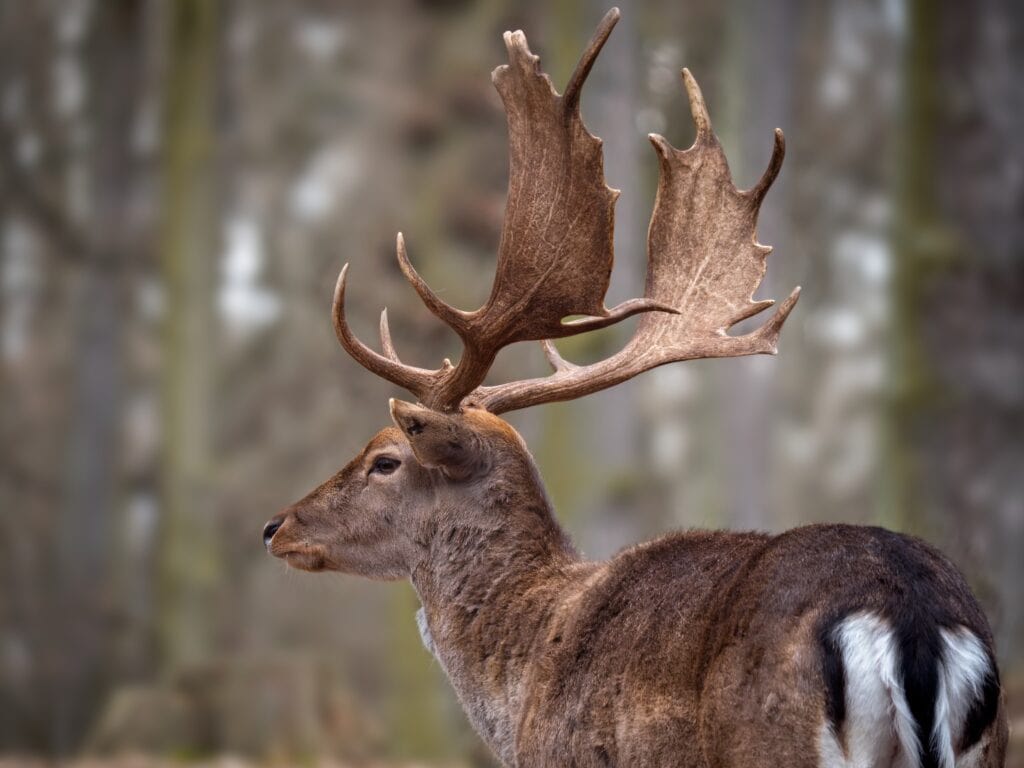
Early one morning, with our breath visible in the cold air and a light dusting of snow on the ground, we were glassing Baldy’s hillside when we spotted a whitetail buck making its way down.
The hunter raised his rifle, my dad confirmed it was a legal buck, and he fired. It was over that fast.
Then the real work began.
We walked over, field dressed the deer, and began preparing it to be packed out. There were no cell phones back then, so there were no pictures—just work. I helped where I could, mostly by holding a leg here and there while watching my dad.
Then I noticed movement halfway up the hillside.
I looked again.
“Dad, there’s a cougar right there.”
As I pointed up Baldy, the hunter looked, and my dad immediately reached for the gun. The cougar never stopped stalking the deer and was only about 50 yards away by the time my dad turned and fired. The hunter was still standing over the deer with bloody hands and a knife. I had saved the day by noticing the smallest movement, and my dad saved us by acting without hesitation.

The moral of the story? When you’re focused on getting the big buck, you might miss the little things that can save you a buck.
We had just taken the cougar’s breakfast, and it wasn’t about to give it up without a fight.
The same principle applies to the hardwood industry. The “big bucks” are the markets—we’re always chasing new opportunities and growing demand. But NHLA also offers programs that help your operation save a buck, and those can be just as valuable as finding new ways to make one.
NHLA still has U.S. Forest Service grant funding available to conduct quality control and productivity studies at mills and concentration yards. Our partnership with the U.S. Endowment for Forestry and Communities is funding benchmarking studies that help mills and concentration yards compare their operating costs with similar facilities. NHLA and the USDA are also supporting Life Cycle Assessment studies that demonstrate hardwood’s lower carbon footprint compared with substitute products. And, of course, NHLA’s National Inspectors continue to provide training and hardwood lumber grading services that help improve quality and consistency.
Just as we should always keep an eye on the little movements around us in the woods, we should pay attention to the small improvements that can make our operations more efficient and profitable. Saving money is every bit as important as making money.
Call NHLA (901) 377-1818 or visit our website at nhla.com to learn more about the programs available to help improve your operation.
Why knot save a buck?